Join us Sept. 24 in NYC to connect with execs from Digitas, Claire's, Marriott, Havas and others
Study after study shows that word of mouth is the best form of advertising. The trick nowadays, particularly in social media, is how to get people to say nice things about a brand’s products.
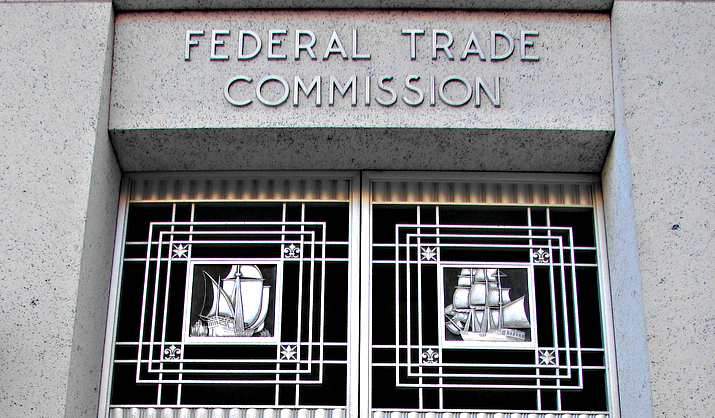
The apparel industry does this often, asking celebrities and socialites to endorse their products in exchange for discounts and free merchandise. The catch is marketers face disclosure requirements from the Federal Trade Commission if they incentivize people to to say those nice things online.
“Companies who engage in social media should have a policy that provides endorsers with guidelines about what they can, can’t and must do,” said Gonzalo Mon, partner at the law firm Kelley Drye & Warren. “It’s not just enough to have the policy in place, however. Companies must also monitor to ensure endorsers comply with the policy and take action against those who don’t.”
Here are five instances where companies have been investigated due to lack of policy and monitoring.
Nordstrom
The FTC recently investigated a Nordstrom new-store promotion, in which it plied social influencers with gifts as an inducement to write about the grand openings. The problem: Nordstrom didn’t tell the influencers they must disclose the gifts. The FTC let Nordstrom off the hook after the retailer tightened up its social media policies.
Ann Taylor Loft
Ann Taylor also erred on influencer gifting. It promoted its Loft division by sending bloggers gifts. Again, some failed to disclose the incentive in their posts. Like Nordstrom, Ann Taylor got off the hook by revising its social media policy and agreeing to closer monitoring of compliance by bloggers.
Legacy Learning Systems
Legacy Learning Systems, which sells guitar-lesson DVDs using social media, got in hot water for recruiting people to promote its courses through endorsements. In exchange, these people received commissions on referral sales. According to the FTC, the company ran “deceptive ads” by representing that the endorsements reflected the views of ordinary consumers, without clearly disclosing that the affiliates were compensated. Legacy paid a $250,000 fine and agreed to monitor compliance of affiliates.
Reverb Communications
It’s never a good idea to impersonate others. That landed PR firm Reverb Communications in the FTC’s crosshairs. Reverb employees posted game reviews at the online iTunes store without revealing themselves as PR pros working on behalf of a client. The employees also posted endorsements on social media. Reverb settled, agreeing to remove the endorsements and not repeat the practice. It was not fined.
Lifestyle Lift
Cosmetic surgery company Lifestyle Lift got into trouble with the State of New York for faking positive consumer reviews on the Web. When the investigation began, emails were uncovered that ordered employees to pretend they were satisfied customers and write glowing reviews of its face-lift procedure on relevant Web sites. Lifestyle Lift also created its own sites of face-lift reviews to appear as independent sources. The company paid $300,000 in penalties and costs to the state.
Image via Flickr


More in Marketing

Perplexity is betting big on creators
AI companies face a tricky sell: to convince creators to advocate for a technology that many fear could threaten livelihoods.

Marketers are using AI search concerns to argue for higher media budgets
Brands with long consideration journeys, like insurance and cars, are paying close attention to shifting search behaviors. They’re using that concern to make their case for more media dollars.

In Graphic Detail: Inside the scramble to measure a brand’s AI visibility
Marketers are catching on that AI doesn’t rank their brands, it decides whether it gets brought up at all. That shift is already reshaping how the industry works.